If you’ve ever visited a roadside tea stall in India or enjoyed homemade chai with family, you’ve probably heard someone ask for a “Kadak chai”
But what does Kadak really mean? In Hindi, kadak means strong, bold, and intense. When it comes to chai, it’s that rich, deep-colored tea with a powerful aroma and a punchy flavor that instantly refreshes your mood. A true kadak chai is not just about boiling tea longer. It’s a combination of the right tea leaves, proper brewing technique, balanced milk ratio, and perfect extraction. Let’s break down the real secret behind making the perfect strong chai.
1. The Foundation of Kadak Chai: CTC Tea Leaves
The first and most important ingredient in strong chai is the tea itself. For authentic kadak chai, regular delicate teas like Darjeeling or Earl Grey won’t work. You need CTC tea.
What is CTC Tea?
CTC stands for:
- Crush
- Tear
- Curl
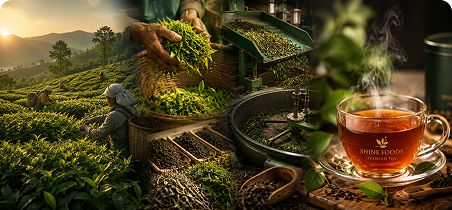
In this process, black tea leaves are crushed into tiny pellets. These pellets brew quickly and release intense flavor almost instantly.
Why CTC Tea Makes Chai Strong Faster and Stronger Infusion ?
Because the tea particles are small, they release flavor rapidly into boiling water.
Rich Color
CTC tea produces that beautiful dark amber or copper-red color associated with strong Indian chai
Bold Taste
It creates the classic malty, slightly bitter, and full-bodied flavor that defines kadak chai.
Assam CTC Tea: The Best Choice
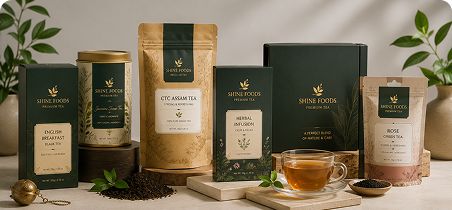
Most strong chai blends use Assam CTC tea because Assam tea naturally has:
- A rich body
- Strong flavor
- Malty notes
- Deep color
This is what gives kadak chai its signature strength.
2. The Brewing Method Matters More Than You Think
One major difference between regular tea and kadak chai is the brewing style. Western tea is usually made by steeping tea bags in hot water. But authentic Indian kadak chai uses the decoction method, where everything is boiled together. That’s the real game changer.
Step 1: Boil Water with Spices
Start by boiling water with ingredients like:
- Ginger
- Cardamom
- Cloves
- Cinnamon
This extracts essential oils and creates a stronger flavor base
Step 2: Add Tea Leaves Before Milk
Add CTC tea leaves directly into boiling water and let them boil for 2–3 minutes before adding milk. This step is crucial because it allows the tea to release:
- Maximum tannins
- Strong flavor
- Dark color
If milk is added too early, the fat coats the tea leaves and slows down extraction.
Step 3: Add Milk and Boil Again
Once the tea becomes dark and aromatic, add milk and bring it to a boil. For best results, let the chai rise once or twice while simmering.
This improves:
- Texture
- Body
- Flavor balance
3. Why Milk and Sugar Are Important in Strong Chai
Many people think strong chai simply means adding more tea leaves. But balance matters just as much.
The Science Behind Milk in Chai
CTC tea contains tannins, which create bitterness and sharpness. Milk helps soften that harshness by binding with tannins, making the chai smoother while still keeping it bold.
Ideal Water-to-Milk Ratio
For balanced kadak chai, use:
- 2 parts water
- 1 part whole milk
Too much milk weakens the tea.Too little milk makes it overly bitter instead of pleasantly strong.
4. The Chaiwala Secret: Aeration
Ever noticed chaiwalas pouring tea dramatically from one vessel to another? It’s not just for style. This process is called aeration.
Why Aerating Chai Helps
Aeration:
- Mixes flavors evenly
- Slightly cools the tea
- Creates a smoother mouthfeel
- Enhances texture
This is one reason roadside chai often tastes better than homemade tea.
Final Thoughts
It’s the result of:
- Strong Assam CTC tea
- Proper boiling technique
- Balanced milk ratio
- Correct brewing timing
- Traditional aeration methods